The Tesla tyre bill nobody mentions before you order, and the mistakes that inflate it
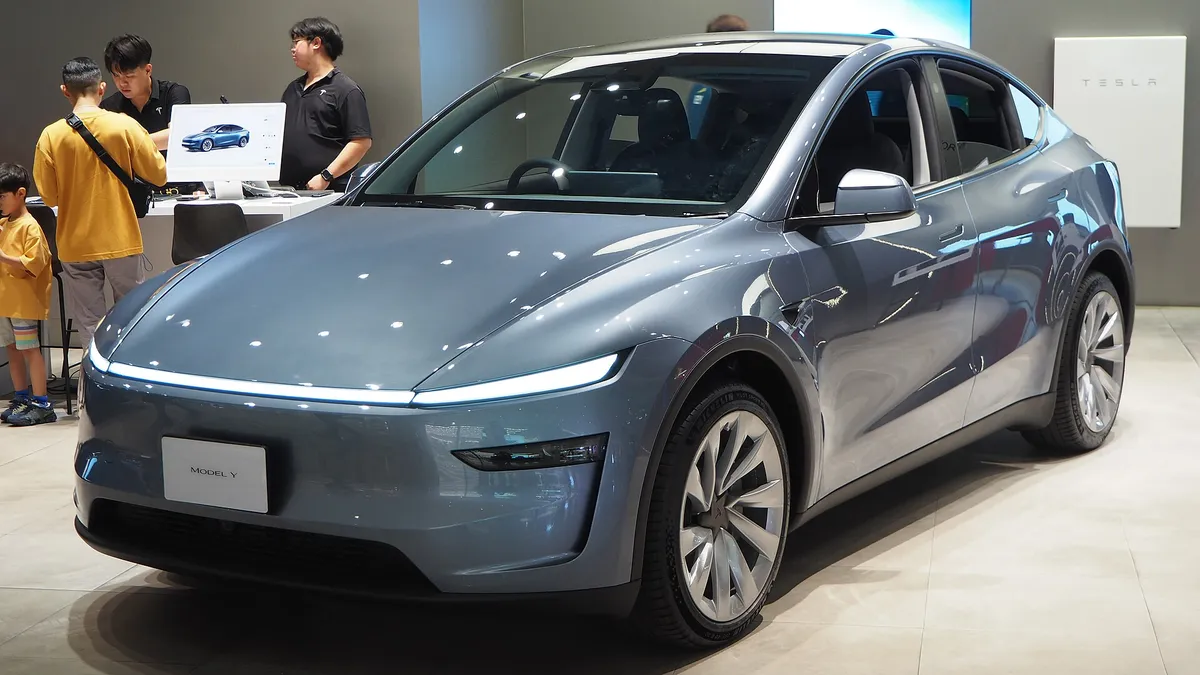
Somewhere between clicking a referral link and driving away, most new Tesla owners don't think about tyres at all — until the first replacement bill arrives and turns out to be genuinely more than they budgeted for on a "normal" car. It isn't a Tesla-specific rip-off. It's physics, plus a handful of avoidable mistakes that make the bill bigger than it needs to be.
Why Tesla tyres wear faster in the first place
Two things push wear rates up on any Tesla, and neither is unique to one model. The battery pack adds genuine weight — several hundred pounds over a comparable petrol saloon — and that extra mass presses down on every tyre with more force on every rotation. Instant torque from the electric motor is the second factor: a hard launch delivers full torque from zero rpm, scrubbing tread through slip rather than easing into grip the way a petrol engine's power delivery does. Tyre-industry commentary puts EV tyre wear at 20–50% faster than a comparable combustion car, depending on how the car is actually driven.
Source: EV Speedy, Tesla tyre cost guide.
What that costs in the UK, in pounds
UK fleet data bears this out at scale. The average replacement tyre fitted to an EV runs an inch or two larger and noticeably pricier than an equivalent petrol car's: roughly £207 for an EV tyre against £130 for the combustion-car equivalent, according to fleet SMR (service, maintenance and repair) data reported by FleetNews. Looking specifically at manufacturers, FleetNews' analysis ranked Tesla the most expensive of the top 20 for tyre costs, at roughly £2,377 over three years of typical fleet use.
At retail, UK tyre sellers list Model 3-fitment tyres from around £200–£300 each, and Model Y-fitment tyres from roughly £175–£395 each depending on brand and size — a genuinely wide range, so it's worth getting a quote for your specific wheel size rather than assuming the low end.
Sources: FleetNews, EV tyre SMR data; Halfords UK, Tesla tyre pricing.
Five mistakes that make the bill bigger than it has to be
- Replacing one tyre at a time. Because the battery's weight sits low and evenly across the floor, all four tyres on a Tesla tend to wear at a similar rate — closer together than on a typical petrol car with an engine at one end. Replacing tyres in pairs or as a full set, rather than one worn corner at a time, is usually the more honest comparison when you're pricing a change.
- Ignoring tyre pressure because there's no fuel-economy reason to check it. Underinflated tyres wear faster and unevenly, and a heavier car punishes underinflation more than a lighter one. Check pressures monthly, not just when the dashboard warns you.
- Skipping rotation. Front and rear wear patterns differ, especially on rear- or dual-motor cars. Regular rotation — the same advice as any car, just more consequential here — spreads wear more evenly and delays the day you need a full set at once.
- Buying the cheapest available tyre for the fitment. Budget tyres on a heavy, high-torque car often wear out faster than the saving implies, and can measurably affect range and noise. Comparing cost-per-mile rather than cost-per-tyre is the fairer test.
- Not checking alignment after a pothole or kerb strike. A heavier car transfers more force through the suspension and wheels on an impact. Misalignment accelerates wear on whichever tyres take the extra load, often invisibly until the tread confirms it.
Where this fits with your delivery-day checklist
If you're at the stage of collecting the car, our order-day, step-by-step guide already tells you to check the tyres and glass before you drive away. This is the reasoning behind that step: noting the tread depth and date on day one gives you a baseline to compare against later — useful the first time a bill looks bigger than you expected and you want to know whether it's genuinely due, or premature.
Does this change what the referral is worth?
No — tyre costs run on their own schedule, entirely separate from the roughly 650 free Supercharging miles a referral link gets a new Model 3 or Model Y buyer. Budgeting for tyres is simply part of the honest total cost of owning a heavier, higher-torque car, alongside the other running costs any UK Tesla buyer should weigh before ordering — referral or not.
UK programme verified: · figures re-checked against tesla.com/en_gb
Pillar: What you get · Related: Ordering a Tesla Model 3 in the UK, step by step: from referral link to delivery
Your UK Tesla Referral Link
steven787345
Copy link copies the whole URL — there is no checkout field for a bare code. Click Open at Tesla first, then configure your car; the benefit is applied automatically before you pay.